What is Connected Retail Strategy (CRS)?
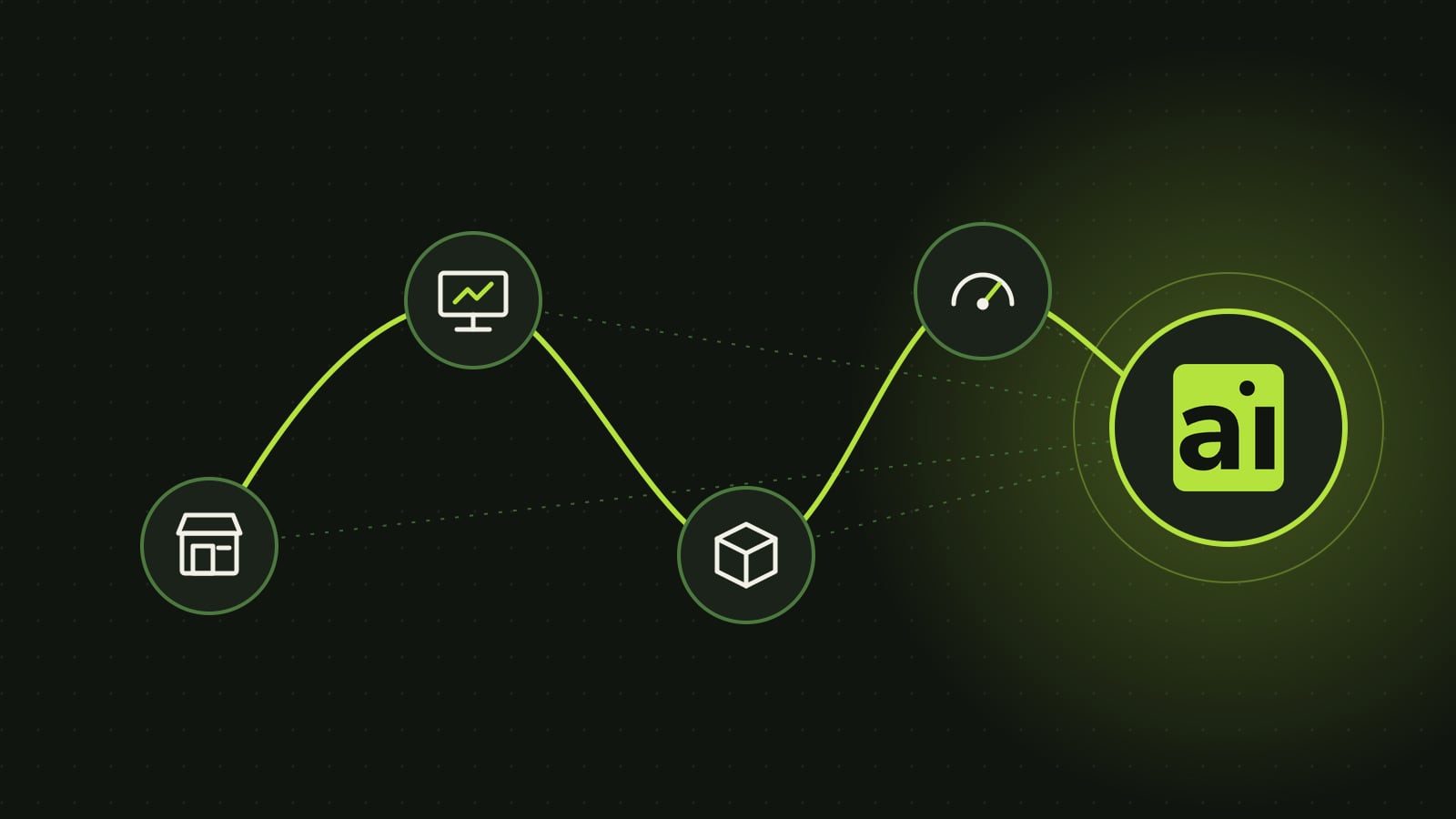
What is Connected Retail Strategy?
Connected Retail Strategy, or CRS, is the method we use to plan a physical-store project starting from the results digital signage delivers, not from the screen itself. It connects digital signage, data, AI and store technology so that every element answers to a measurable goal. I developed it in March 2025, and Galernai was founded on it.
It is not the same as the "connected retail" you read about in most of the trade press, which usually means joining physical and online shopping. The connection here is a different one: between what happens in the shop window, on the shop floor, in the back of house and in technical service. The aim is for every retail technology and system to work towards the same goals of service, customer experience and sales. Above all, it gives digital signage a strategic role, with relevant, contextual content that converts, rather than a playlist that loops.
Why start with the result and not the screen?
Because I have seen projects that start by choosing the screen and end up looking for a reason to have it. The order should be the other way round: first what the retailer wants to achieve or needs (average basket, conversion on a product, perceived waiting time, in-store advertising revenue), and only then what it takes to get there. Sometimes the answer includes screens and sometimes it does not.
What does CRS connect?
At this point it can connect almost any platform a retailer already uses, but this table covers the main questions.
| Part of the store | What it decides | What is measured |
|---|---|---|
| Shop window | Footfall | Visits, attention, campaign |
| In store | Retention, purchase assistance | Basket uplift, cross-selling |
| Back of house and operations | Process automation, queues | Waiting time, speed of purchase |
| Service and maintenance | Availability | SLA compliance |
What role does Lumen play?
Lumen is the Galernai platform. It brings together customers, orders, invoicing, inventory, N1 to N3 incident tickets, work orders and SLA reports. It uses AI to handle incidents predictively and to recommend the fixes most likely to work. The same applies to content and performance advice: Lumen guides the retailer to get more out of their digital signage screens. Within CRS it has one specific job: making sure that what is promised in the project can be checked afterwards against data from the operation itself. A screen that has been dark for three days appears in no campaign report, but it does appear in the incident ticket.
When does CRS make sense?
When there are several locations, several people making decisions, and someone has to answer for the result. For a single store with one screen at the counter, a method is probably overkill. This depends on the type of business, and I have not measured it by size.
How do you get started?
With a store diagnostic: one visit, one diagnosis and a proposal that says what you can expect and how we will improve the way your digital signage screens are used. If you have a store where you could not say what each screen is supposed to do, that is a good place to start.
Galernai · Solutions · Sectors · Technical services · Lumen · Contact